
Wedding videography in Turkey works best when you book your videographer early, agree on a clear deliverables list, and plan the filming day around light, travel time and venue rules. Whether you marry in a Bodrum villa, a Cappadocia cave hotel or an Istanbul Bosphorus venue, the same planning logic applies. This guide explains what a wedding film package includes, what drives the price, and how to avoid the problems we see most often on Turkish wedding days.
What wedding videography in Turkey actually includes
Most Turkish and international couples ask for the same core set of films. Packages differ in length and crew size, so compare them item by item rather than by total price.
- Highlight film: a 3–6 minute cinematic edit with music, the version you share with family and friends.
- Full ceremony and speeches: an unhurried edit of the nikah or ceremony, vows and toasts with clean audio.
- Teaser: a 30–60 second vertical or square cut for Instagram, often delivered within days.
- Documentary edit: a longer film that follows the day in order, including the henna night (kına gecesi) if you hold one.
- Raw footage: optional, usually priced separately.
How Turkish wedding traditions change the shoot
A Turkish wedding is rarely a single two-hour event. Many couples celebrate across two or three days: a kına gecesi, the nikah, and a large reception with dancing that can run late into the night. A videographer who has not worked in this setting may plan coverage for a typical six-hour day and miss moments that matter, such as the bride’s family farewell, the money-pinning on the gelin, or the halay circles that fill the dance floor.
Ask your videographer how they would cover each event and whether the quote is per day or for the whole celebration. If your family expects every guest table to appear on camera, say so at the start, because it changes crew size and edit length.
What drives the price of wedding videography in Turkey
Quotes in Turkey are given in TRY, EUR or both, and international couples are usually quoted in euros. Exact figures vary by city, season and team, so we do not publish a single number. These factors move the price most:
- Coverage hours: a ceremony-only package costs far less than a full day with the party.
- Crew size: one videographer, or a lead plus a second shooter and an audio assistant.
- Location and travel: a shoot in Cappadocia or the Aegean coast adds transport, accommodation and sometimes a travel day for the crew.
- Deliverables: number of films, total length, subtitles for bilingual families, and delivery speed.
- Aerial footage: drone shots need a licensed operator and the right permissions (see below).
- Season: weekends from May to October are the busiest, especially in Bodrum, Antalya, Izmir and Cappadocia.
For a similar breakdown on commercial work, see our guide to corporate video production cost in Turkey. The same quote-reading habits apply.
Choosing a venue and timing for the best footage
Light and season
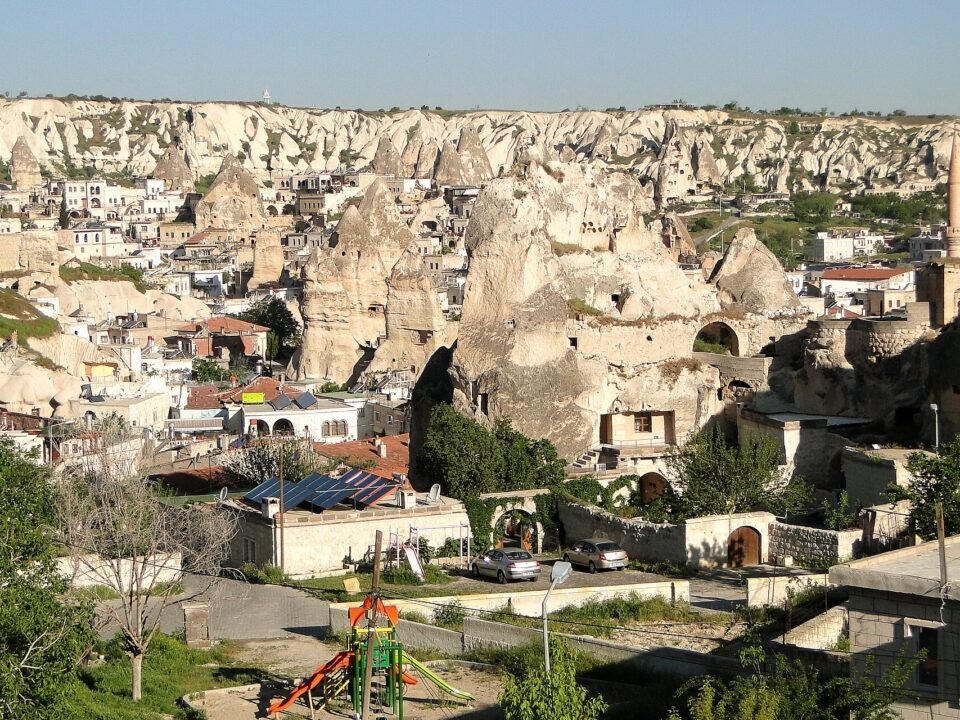
Turkey’s summer sun is harsh at midday, particularly inland and along the Aegean and Mediterranean coasts. Golden hour in July and August is late, so ceremonies planned around 18:00 or 19:00 often give the softest light. In Cappadocia, sunrise couple portraits are popular but require an early start and a clear schedule the night before. Our Cappadocia photography guide covers the best spots and timing.
Venue rules
Many hotels and wedding venues in Turkey have their own approved vendor lists, noise limits and cut-off times for music. Some restrict where a second shooter or a light stand can stand. Ask your venue coordinator three things before you book a videographer: is outside crew allowed, is there an extra fee, and are there areas where filming is limited. Historic sites and museums can require a separate filming permit, so check early if you want to shoot there.
Drone footage
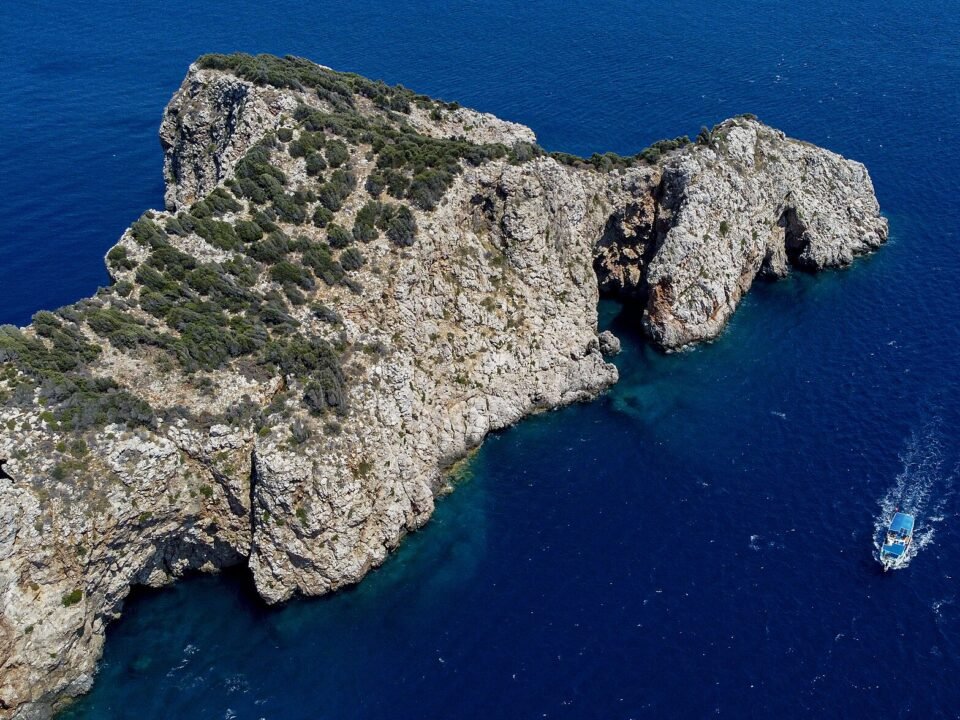
Aerial shots of a coastal or cliff-top wedding look striking, but drone use in Turkey is regulated by the civil aviation authority (SHGM), and several areas, including airports, military zones and some protected sites, are restricted. Hire an operator who handles registration and permissions. We explain the basics in our post on drone videography in Turkey.
A planning timeline that works
- 9–12 months before: shortlist videographers and check availability for peak-season dates.
- 6–9 months before: review portfolios, ask for full films rather than only highlights, and sign a written agreement.
- 3 months before: share the programme, venue contact, and family roles. Confirm drone permissions if needed.
- 2–4 weeks before: visit the venue with the videographer if possible and agree on a shot list.
- Week of the wedding: send a final timeline, including travel times and who will be on stage or at the head table.
- After the wedding: agree on delivery dates for teaser, highlight film and full edit.
Questions to ask before you sign
- Can we see two or three complete wedding films, not just trailers?
- Who will actually film and edit our wedding?
- How is audio recorded for vows and speeches, and what is the backup?
- What happens if the schedule runs over, and is overtime charged?
- How many revisions are included, and how long is the footage stored?
- Are you insured, and what is your plan if equipment fails or someone is ill?
Common mistakes to avoid
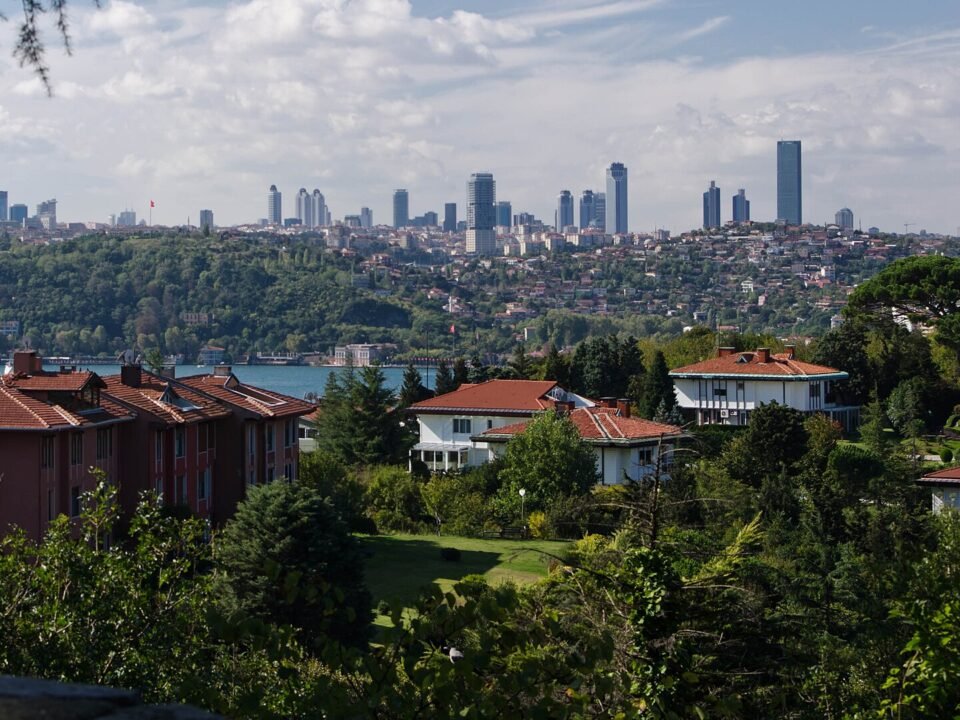
The most frequent problem is a timeline that leaves no room for the film. Couples schedule portraits, ceremony and dinner back to back and then rush the moments that look best on camera. Build in buffer time between events, especially when guests travel between a hotel and a venue in traffic-heavy Istanbul or on narrow coastal roads in Bodrum.
The second is unclear music rights. Using a famous song in a film that you post online can lead to takedowns, so ask your videographer to use licensed tracks. The third is skipping a conversation about family priorities: tell the videographer which elders, relatives and traditions must appear, so nothing important depends on guesswork.
If your celebration also takes place at a hotel or resort, you may find our hotel video production planning guide useful for understanding how crews work on location.
Frequently asked questions
How far in advance should I book wedding videography in Turkey?
For summer weekends in popular regions, book nine to twelve months ahead. Shoulder-season and weekday dates are often available with shorter notice, but the best teams fill early.
Can I film a wedding at a historic site or beach in Turkey?
Often yes, but rules vary. Municipal beaches, museums and archaeological sites can require permission, and private beach clubs set their own policies. Confirm with the venue or local authority before you commit to the location.
How long does it take to receive the wedding film?
A teaser can arrive within a few days, while a full highlight film often takes several weeks, longer in peak season. Agree on dates in your contract.
Do I need a videographer if I already have a photographer?
They capture different things. Photographs preserve moments; film keeps movement, sound and speeches. If both are booked, ask them to coordinate their positions so they do not block each other during the ceremony.
Plan your film with Les Lucens
If you are planning a wedding or celebration in Turkey and want a clear, realistic production plan for the film, get in touch with Les Lucens. Tell us the date, location and the style you like, and we will help you work out what is possible.
Leave a Reply