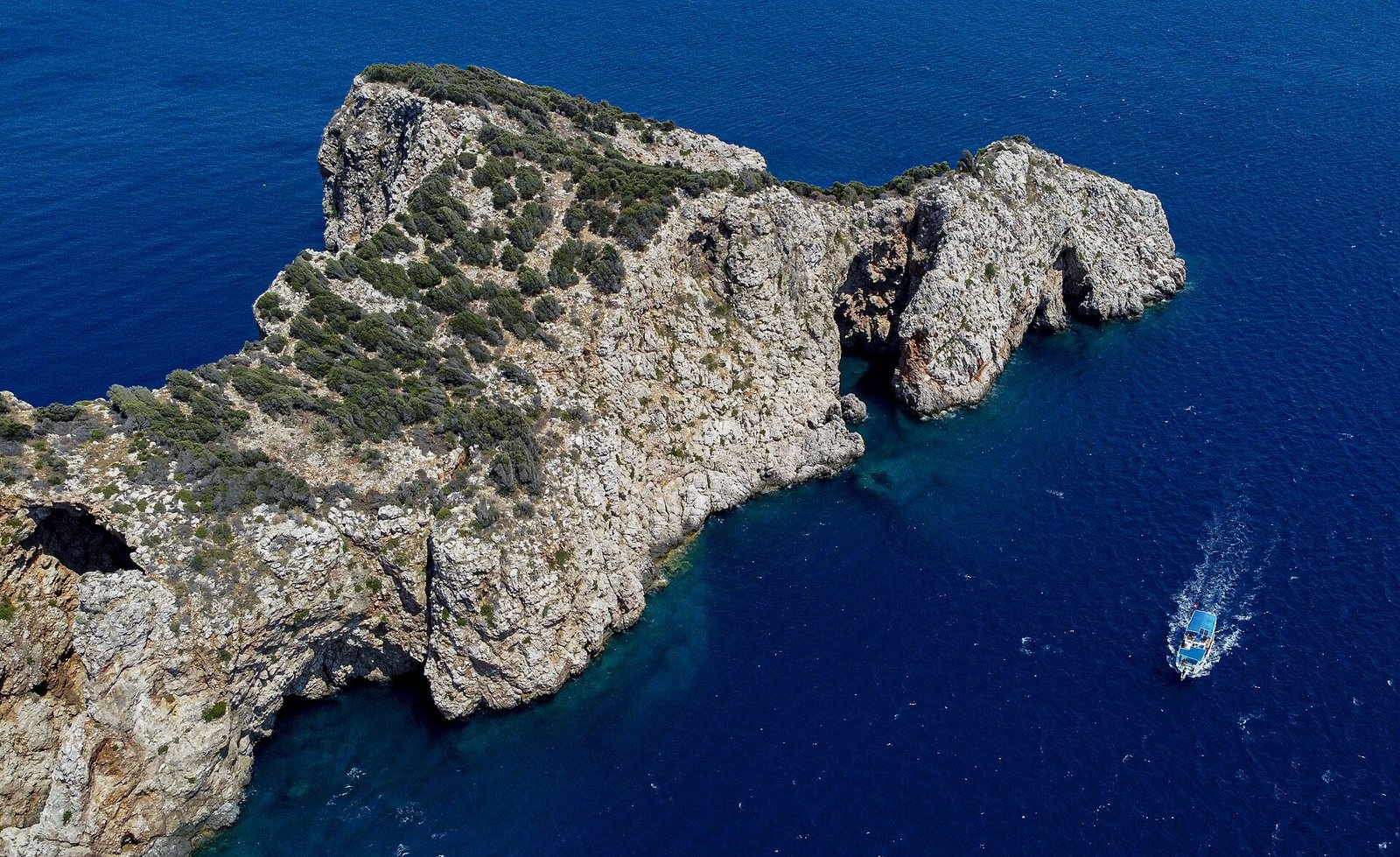
Drone videography in Turkey is possible and produces excellent footage, but it is regulated more tightly than in many countries. Before you plan an aerial shot over a hotel in Bodrum, a coastline near Antalya or a city rooftop in Istanbul, you need to know who is allowed to fly, which areas are restricted and how much lead time to give yourself. This guide explains the main points, how production companies usually handle them and how to plan a drone shoot that does not collapse on the day.
One caution first. Turkish drone rules are set by the civil aviation authority, SHGM, and they change. Websites that summarise them often disagree with each other. Use this article as a planning framework and confirm every legal point with SHGM or a licensed operator before you fly.
The Basics of Drone Videography in Turkey
Several points are repeated consistently across sources, although the details vary:
- Drones above a weight threshold, commonly cited as 500 grams, need to be registered with SHGM.
- Commercial flying, including filming for a client, carries more requirements than recreational flying. These can include pilot certification and insurance.
- Flying near airports, military sites and other sensitive facilities is prohibited or tightly controlled.
- Authorities can confiscate a drone while they investigate a violation.
- Foreign visitors face extra difficulty, because some registration steps require a Turkish identity number.
The practical conclusion is that a commercial drone shoot in Turkey should be done by a team that is already set up to work legally in the country. Bringing your own drone through customs and flying it on a tourist visit is the riskiest option.
Who Should Fly Your Drone
For a brand, hotel or agency, the safest approach is to hire an operator based in Turkey. Ask them these questions before you sign:
- Is the drone registered and is the pilot certified for the type of flight you need?
- Does the operator carry liability insurance for third-party damage?
- Will they handle permits for controlled or sensitive areas, and how long does that normally take?
- Do they have experience at the specific location, such as a coastal resort or historic district?
- What is their plan if the permit is delayed or the weather is bad?
A trustworthy operator answers these without hesitation. If the answers are vague, treat that as a warning.
Locations That Need Extra Care
Istanbul
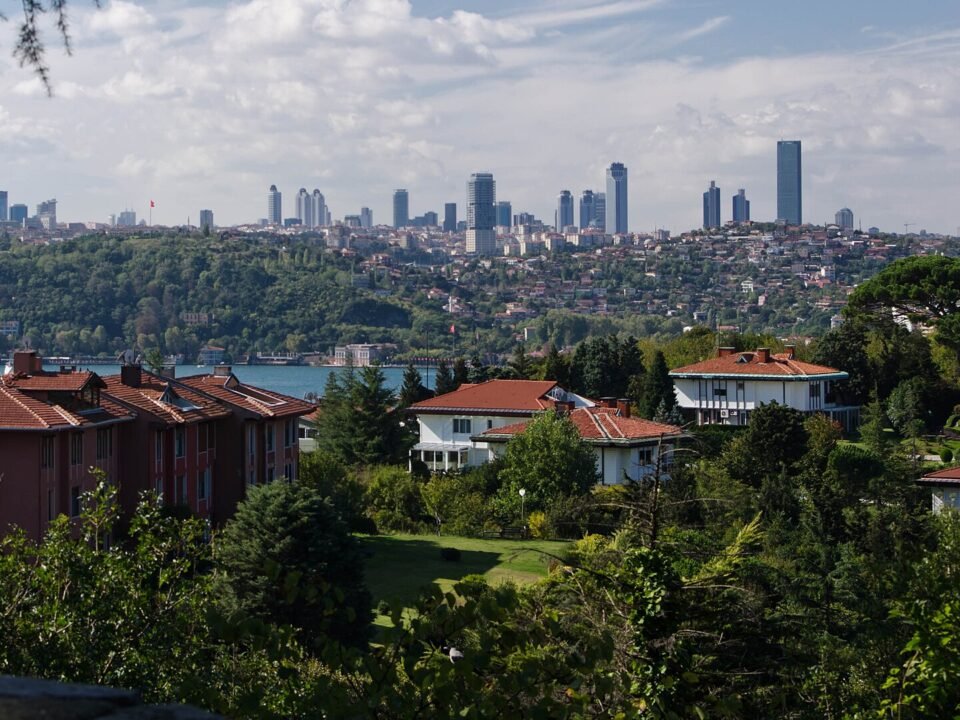
Istanbul has dense airspace, busy shipping lanes on the Bosphorus and many sensitive sites. Aerial shots over the old city, the strait or major bridges are not a casual request. If your concept depends on a skyline or Bosphorus shot, discuss it with your operator at the very start and have a ground-based alternative ready.
Cappadocia
Cappadocia shares its dawn sky with dozens of hot air balloons. Flying near them is dangerous, and local conditions and restrictions change. Many productions shoot the balloons from the ground with a long lens and use drone shots only where permitted and safe, usually away from the balloon launch zones and after the flights end.
Bodrum, Antalya and the Aegean coast
Resorts and villas on the coast are popular drone subjects because the coastline photographs beautifully from above. Even so, you still need permission to fly, and the property owner and neighbouring sites matter. Marinas, military areas and airports can be closer than they look on a map.
Izmir and other cities
Urban areas bring crowds, traffic and government buildings. Plan flights early in the morning when streets are quiet, and avoid flying over people.
How to Plan a Drone Shoot Step by Step
A good plan removes most of the risk. This is the process we recommend:
- Write a shot list. List each aerial shot, the location, the purpose and the preferred time of day.
- Check the airspace. Your operator verifies restrictions for each site and identifies any that need a permit.
- Apply early. If a permit is required, start the process weeks ahead, not days. Sources disagree on timelines, so ask the operator for a realistic estimate and add buffer.
- Get property permission. Hotels, marinas and private estates need to approve filming in writing.
- Scout on foot. Visit the site, identify take-off points, obstacles, power lines and crowds.
- Pick weather windows. Wind is the main enemy. Coastal wind in the afternoon often rises, so early morning is typically calmer.
- Schedule a backup day. Aerial work is the first thing to be postponed by weather.
- Brief the crew. A pilot and a spotter keep flights safe and make sure the camera operator can focus on the shot.
Drone Videography Quality: What Separates Good from Average
Having a drone does not guarantee good footage. The difference comes from the same craft decisions as any other video work.
- Light: aerial shots look best at golden hour, when low sun gives depth to coastlines, terraces and rooflines.
- Movement: slow, deliberate moves such as a rising reveal or a steady lateral track look professional. Fast, random movement looks amateur.
- Frame rate and shutter: shoot at the frame rate that matches your project and use a shutter speed around double the frame rate, with ND filters to hold it in bright Turkish summer sun.
- Colour profile: a flat profile gives you room in grading, provided the exposure is correct.
- Edit with intent: use aerial shots to establish place, then cut to ground-level detail. A video made only of drone footage feels repetitive.
Budget and Cost Drivers
Drone work is billed as part of a video production or as a separate flight day. The main cost drivers are the operator’s day rate, permit handling, insurance, travel, extra batteries and a second crew member. Quotes will differ by location. A simple flight over a private villa is not the same job as a regulated shoot in a city or protected area. For a broader view of how video budgets work, read our guide to corporate video production cost in Turkey.
Common Mistakes
- Assuming that a tourist drone is allowed for commercial use.
- Starting the permit conversation the week before the shoot.
- Planning a single sunrise window with no spare day.
- Flying over crowds, vehicles or people without approval.
- Promising a client a specific shot before the airspace has been checked.
FAQ
Do I need a permit to film with a drone in Turkey?
It depends on the drone, the purpose and the location. Commercial filming and flights in controlled areas involve extra requirements. Confirm the current rules with SHGM or a licensed operator.
Can tourists fly drones in Turkey?
Registration steps can be difficult for foreign visitors, and drones have been held at customs in some cases. Do not assume you can bring and fly one without checking first.
What is the best time of day for aerial footage?
Early morning and the hour before sunset give the best light, and morning winds on the coast are often calmer.
How far ahead should I plan a drone shoot?
Start the conversation as soon as the concept is clear. Allow several weeks if permits are needed.
Planning Aerial Footage?
If you are planning a hotel film, a destination video or a brand story that needs aerial shots in Turkey, talk to Les Lucens about the concept. We can help you work out what is realistic and how to plan around the rules.
Leave a Reply