Hotel video production in Turkey works best when you plan it around one thing: the booking decision. A good hotel film shows guests where they will wake up, what they will eat, how the place feels at golden hour and what the service is like, in about 60 to 90 seconds. This guide covers how to plan, budget and schedule a hotel video shoot on the Turkish coast or in a city property, so the footage you pay for ends up working on your website, on Instagram and in your sales decks.
Why hotel video production in Turkey is worth planning carefully
Turkish hotels compete on a crowded map. A resort in Antalya, a boutique stay in Bodrum and a cave hotel in Cappadocia all sell a similar promise: sun, sea or scenery, and good food. Photos show a room. Video shows the walk from the lobby to the pool, the sound of the sea at the breakfast terrace and the light on the stone walls in the evening.
Because Turkey has a strong seasonal rhythm, a hotel video is also a calendar problem. You usually need to film when the property looks its best, which is often when it is also busy. That tension drives most of the decisions below.
Decide what the video has to do
Before you ask for quotes, write down the job of the film. Different goals need different footage and different edits.
- Brand film (60–120 seconds): the main video for your website homepage and booking page. Slow, atmospheric, focused on the property and its setting.
- Social cut-downs (6–20 seconds, vertical): short clips for Reels, TikTok and Stories, shot with vertical framing in mind rather than cropped later.
- Room and facility tours: straightforward walkthroughs for sales teams, travel agencies and tour operators.
- Seasonal or event content: weddings, spa launches, a new restaurant concept, winter packages.
Most hotels get the best value from one shoot that produces all of these at once, with the brand film as the anchor.
Build the shot list around the guest journey
A shot list that follows the guest experience keeps the film coherent and stops the crew from wandering around filming every corner. A typical sequence looks like this:
- Arrival: the approach, the entrance, the first view of the lobby or courtyard.
- Rooms and suites: morning light, terrace views, a bed made properly, details such as local textiles or stone.
- Food and drink: the Turkish breakfast spread, the à la carte restaurant, the bar at dusk.
- Leisure: pool, beach, spa, hammam, yoga deck, kids’ area.
- Surroundings: the harbour, old town, vineyards, valley or beach that makes the location special.
- People: staff at work, guests relaxing, hands pouring tea, a chef plating a dish.
Include real staff where possible. Guests respond to warmth, and a short human moment often does more than another wide shot of the pool.
Choose the right season and time of day
Timing changes the footage more than any camera does. A few practical points for Turkey:
- Aegean and Mediterranean resorts (Bodrum, Antalya, Fethiye, Çeşme): May–June and September–early October give soft light and less extreme heat. In July and August midday light is hard and flat, so plan the main shooting for early morning and the last two hours before sunset.
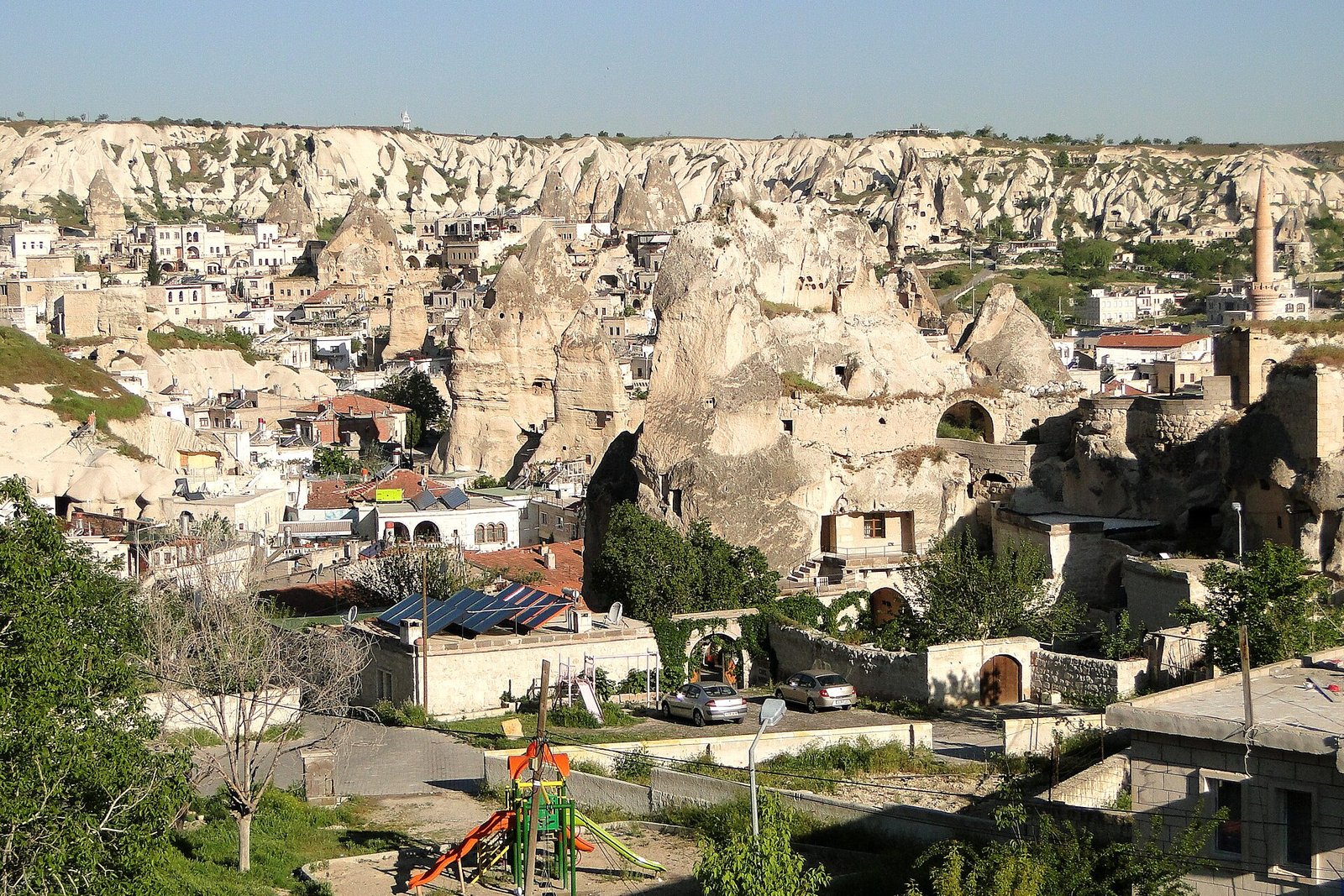
- Cappadocia: sunrise is the signature moment, with balloons in the sky when weather allows. Winter snow also gives a very different look, and many cave hotels are quieter then, which helps with filming access.
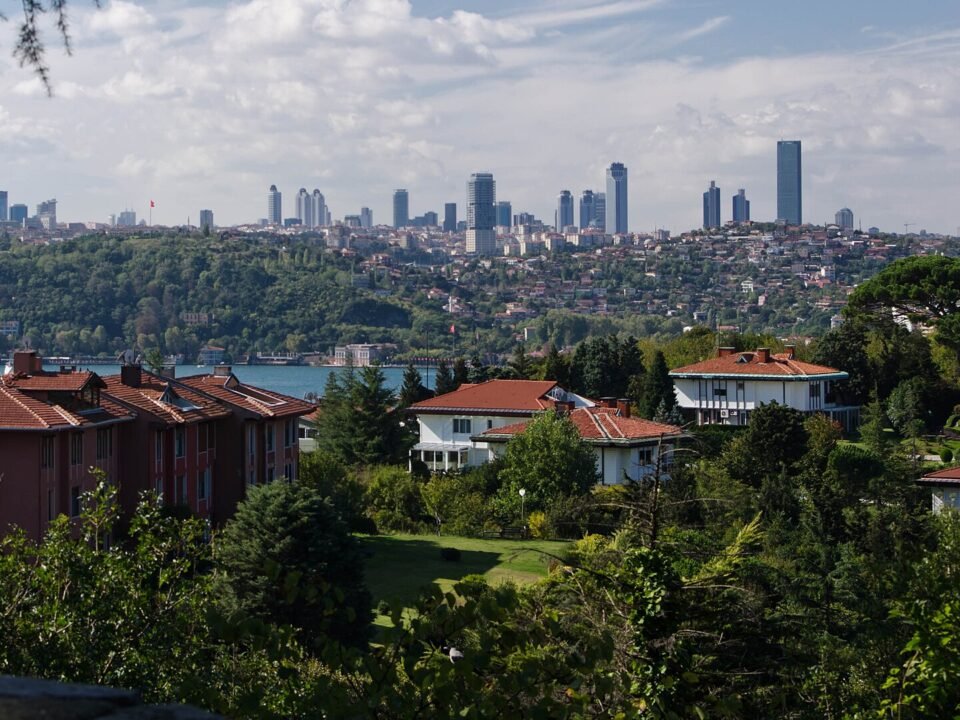
- Istanbul: spring and autumn offer the most reliable light. City hotels can be filmed year-round, and rooftop terraces with Bosphorus or Golden Horn views are best at blue hour.
If your property closes in winter, shooting in the last weeks of the season, or just before opening when staff are present and the grounds are ready, often gives the cleanest result with the fewest guests in frame.
Permits, drones and guest privacy
Filming on your own property does not usually need a public filming permit, but a few areas do need attention.
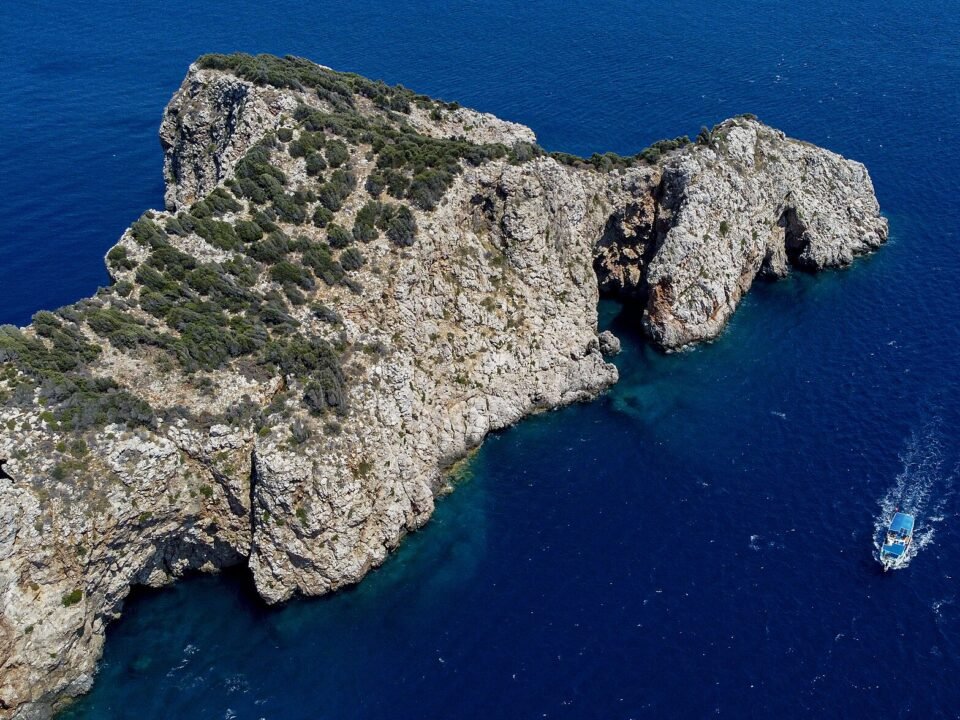
- Drone footage: aerial shots add a lot to coastal and cave hotels, but drones are regulated in Turkey and registration, pilot qualifications and permissions for specific areas apply. We cover the details in our guide to drone videography in Turkey.
- Public spaces: beaches, harbours, historic sites and museums managed by the state may require separate permission for commercial filming. Ask your production team to check this early rather than on shoot day.
- Guests and privacy: avoid filming identifiable guests without consent. Use hotel staff or hired models, or schedule filming in quiet hours and close off areas briefly.
- Music and licences: use properly licensed music in the final edit, especially for paid social ads.
How much does hotel video production cost in Turkey?
Prices vary with crew size, number of shooting days, locations and the amount of post-production. Rather than quoting a single figure, it is more useful to know what moves the price:
- Number of shooting days: a small boutique hotel may need one day, while a large resort with several restaurants, a spa and a beach club often needs two or three.
- Crew: a director of photography, a camera assistant, a drone pilot, a gaffer or lighting assistant and a producer.
- Equipment: cinema cameras, gimbals, sliders, lenses and lighting for interiors. Interior shoots in bright Mediterranean light need careful control.
- Talent: models or actors, hair and make-up, and any usage fees.
- Post-production: editing, colour grading, sound design, licensed music, subtitles and multiple formats.
- Travel and accommodation: for properties outside Istanbul, crew transport and stay add up. Many hotels offer rooms in exchange for a lower rate in low season, which is worth discussing.
For a wider view of how production budgets are structured, our article on corporate video production cost in Turkey explains the main line items, and most of them apply to hotels as well. Quotes in Turkey are commonly given in EUR or TRY, so ask which currency applies and how exchange-rate changes between quote and invoice are handled.
Prepare the property before the crew arrives
Much of a hotel shoot is won or lost in the preparation. A short checklist helps:
- Name one person on the hotel side who can open doors, move guests and make decisions.
- Walk the property with the director before the shoot day and agree the shot list.
- Have rooms cleaned, styled and photographed-ready, including fresh flowers, linen and lighting working properly.
- Check the pool, garden and terraces for maintenance work, cleaning schedules and sun-bed placement.
- Plan food styling with the kitchen: the chef should know which dishes and what time.
- Prepare a backup day for weather, particularly on the coast and in Cappadocia.
What you should receive at the end
Agree the deliverables in writing before the shoot. A solid package normally includes:
- The main brand film in 16:9, with and without logo or text.
- Vertical edits for social media.
- Several short clips for ads, email and the booking page.
- Raw or graded selects of the best footage, so you can re-edit seasonally.
- A clear usage licence covering web, social and paid media, and the length of the rights.
If you also need still images for brochures and booking platforms, shooting photo and video on the same days saves time; our guide to hotel photography pricing in Turkey shows how stills are priced.
Common mistakes to avoid
- Filming at midday in peak summer, when the light is harsh and the pool area is crowded.
- Skipping the people: empty spaces feel cold, even when beautiful.
- Shooting only horizontal footage when most of your audience watches on phones.
- Choosing a crew on price alone without checking previous hospitality work.
- Not agreeing usage rights, which can cause problems when you want to run the film as a paid ad.
FAQ
How long does a hotel video shoot take?
A small boutique property usually needs one to two days. Larger resorts with several venues often need three. Editing normally takes a few weeks after the shoot, depending on how many versions you need.
What is the best time to film a hotel in Turkey?
Late spring and early autumn are the safest choice on the coast, while Cappadocia is strong at sunrise and in winter, and Istanbul works almost year-round. Always plan for early morning and late afternoon light.
Do I need a permit to film my own hotel?
Usually not for private areas, but drones and public or protected locations nearby may require permission. Your production team should check this before the shoot.
Should I film photos and video together?
Yes, if your budget allows. The same set-up, styling and access serve both, which reduces total cost and gives you consistent visuals across web, social and print.
Plan your hotel film with Les Lucens
If you are thinking about a video for a hotel or resort in Turkey, we are happy to talk through your goals, season and budget. Get in touch with Les Lucens and we will help you shape a plan that fits your property.
Leave a Reply