Food photography in Istanbul works when every image does a job: it sells a dish, sets a mood, or tells a guest what kind of place you run. This guide explains how restaurants, cafés and hotels in Turkey can plan a food photography shoot, what it costs to prepare, and how to get a library of images you can use for a year or more.
Why Food Photography in Istanbul Needs a Local Approach
Turkish menus are visual and varied. A table of meze, a bubbling clay pot of güveç, a tray of baklava and a plate of Aegean olive-oil dishes each need different light, props and styling. Add the fact that most guests discover a restaurant on Instagram, Google Maps or delivery apps like Yemeksepeti and Getir before they ever walk in, and your photos become your first impression.
Istanbul also has its own practical quirks: tight kitchens in Beyoğlu and Kadıköy, rooftops with strong Bosphorus glare, and busy lunch services that leave little room for a crew. Good planning solves most of this.
Know Which Images You Need Before You Book
Start with where the pictures will live. Each channel has different needs:
- Delivery apps and website menu: clean, bright, consistent hero shots on simple backgrounds, one per dish.
- Instagram and TikTok: mood-driven lifestyle shots, hands pouring tea or tearing bread, vertical crops.
- Google Business Profile: a mix of interior, exterior and signature dishes, refreshed regularly.
- Print and signage: high-resolution images with room for text.
- Press and tourism partners: editorial-style images of the venue and its story.
Write a shot list with dish names, priority and intended use. A 25–40 dish list is a realistic half-day to full-day shoot.
Plan Your Menu Shoot Step by Step
- Choose 15–30 hero dishes. Pick signature items, best margins and seasonal specials rather than the full menu.
- Agree the visual style. Dark and moody for a meyhane, light and airy for a brunch café, rustic for a regional Anatolian kitchen. Share references with your photographer.
- Decide where to shoot. Window light in your own dining room often looks more honest than a studio. If the space is dark, a portable setup works.
- Schedule around service. Mid-morning, before lunch prep ends, gives the kitchen time and the daylight is strong.
- Prepare the food in batches. Chefs should plate one dish at a time so nothing wilts under the lights.
- Review on set. Check images on a larger screen as you go, not at the end.
Styling that suits Turkish cuisine
Steam, oil sheen and texture are what make Turkish dishes appealing. Brush kebab with a little oil just before shooting, add fresh herbs at the last second, and let lahmacun and pide show their edges. Copper trays, tulip tea glasses, linen napkins and handmade ceramics from local makers add context without clutter. Avoid props that belong to another cuisine.
Light, Gear and Technique
Natural window light is flattering for most dishes. Place the table beside a window, diffuse harsh sun with a white curtain or scrim, and use a reflector to open up shadows. In summer on terraces along the Bosphorus or in Çeşme, shoot early or in open shade to avoid hard highlights.
For a cohesive set, a professional uses a tripod, a macro-capable lens, and controlled colour so that your tomato reds and olive greens look the same across the whole menu. Consistency is what makes a menu look premium.
Video alongside stills
Short clips of steam rising, sauce pouring or a chef finishing a plate perform well on social media. If you want both, plan them together to save setup time. Our guide to hotel photography pricing in Turkey explains how combined shoots are usually quoted, and the same logic applies to restaurants.
Food Photography Costs in Turkey: What Affects the Quote
Prices in Turkey are quoted in TRY or EUR depending on the studio and client, and inflation means any figure goes out of date quickly, so ask for a written quote valid for a set number of days. The main factors are:
- Number of dishes and number of final images per dish
- Half-day or full-day duration
- Food stylist, prop sourcing and assistants
- Retouching level and delivery format
- Usage rights: web and social only, or print, packaging and advertising too
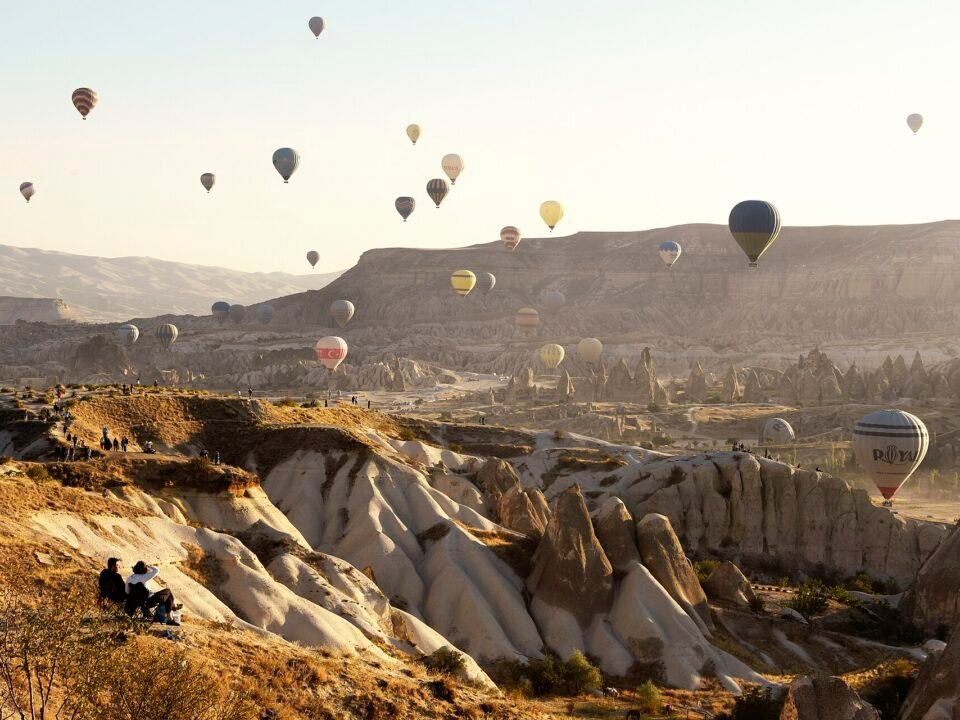
- Travel, if the shoot is outside Istanbul, such as in Bodrum or Cappadocia
Budget for ingredients as well. Dishes shot for photos are often not served afterwards, so factor that into the day.
A Sample Shoot-Day Timeline
A realistic full-day schedule for an Istanbul restaurant looks like this:
- 08:30: Team arrives, tables and surfaces are chosen, light is checked at the windows.
- 09:00–12:00: Lighter dishes first: meze, salads, breakfast spreads and desserts, which hold their look the longest.
- 12:00–14:00: Hot mains such as kebabs, güveç, fish and pide, plated one at a time and shot within minutes.
- 14:00–16:00: Drinks, tea service, interior details, staff and the exterior in the best available light.
- 16:00: Quick review of selects and a list of any reshoots.
Keep one person from the kitchen responsible for approvals. When the chef, owner and marketing manager all comment on every frame, a one-day shoot turns into two.
Seasonality and Regional Menus
Turkish food is strongly seasonal, and your photography calendar can follow it. Fresh fish, artichokes and broad beans suit spring on the Aegean coast; grilled vegetables and cold olive-oil dishes work for summer; hearty soups, pumpkin desserts and slow-cooked meat belong to autumn and winter. During Ramazan, iftar tables and sahur menus need their own set of images, so plan them well ahead. Venues in tourist areas like Sultanahmet, Bodrum or Alaçatı may also want a set that clearly explains the dishes to international guests.
Common Mistakes to Avoid
- Shooting under yellow restaurant spotlights, which cast mixed colour
- Over-garnishing, so the dish is hard to read
- Using photos that don’t match what customers actually receive, which hurts reviews
- Skipping a usage agreement, then discovering you cannot use images on a delivery platform
- Waiting until the busy season; book in spring or autumn for the next season’s menu
Working With a Photographer or Agency
Ask to see a portfolio of food work, not only interiors. Confirm who handles styling, whether retouching is included, and how many revisions you get. If you are also deciding on a wider partner for branding and content, read how to choose a creative agency in Istanbul.
FAQ
How long does a restaurant food photography shoot take?
A half day covers roughly 10–15 dishes with a few venue shots. A full day suits 25–40 dishes or a combined stills and video shoot.
Should we shoot in the restaurant or a studio?
If your space has good natural light and a clean surface, shoot there; it reflects the real experience. A studio gives more control for delivery-app packshots.
How often should we refresh our food photos?
Update them when the menu changes, and add seasonal dishes at least once or twice a year. Outdated photos erode trust fast.
Do we own the photos after the shoot?
That depends on the contract. Make sure the agreement states where and for how long you can use the images, including delivery platforms and advertising.
Planning a menu or venue shoot in Istanbul or elsewhere in Turkey? Get in touch with Les Lucens and tell us about your project.
Leave a Reply