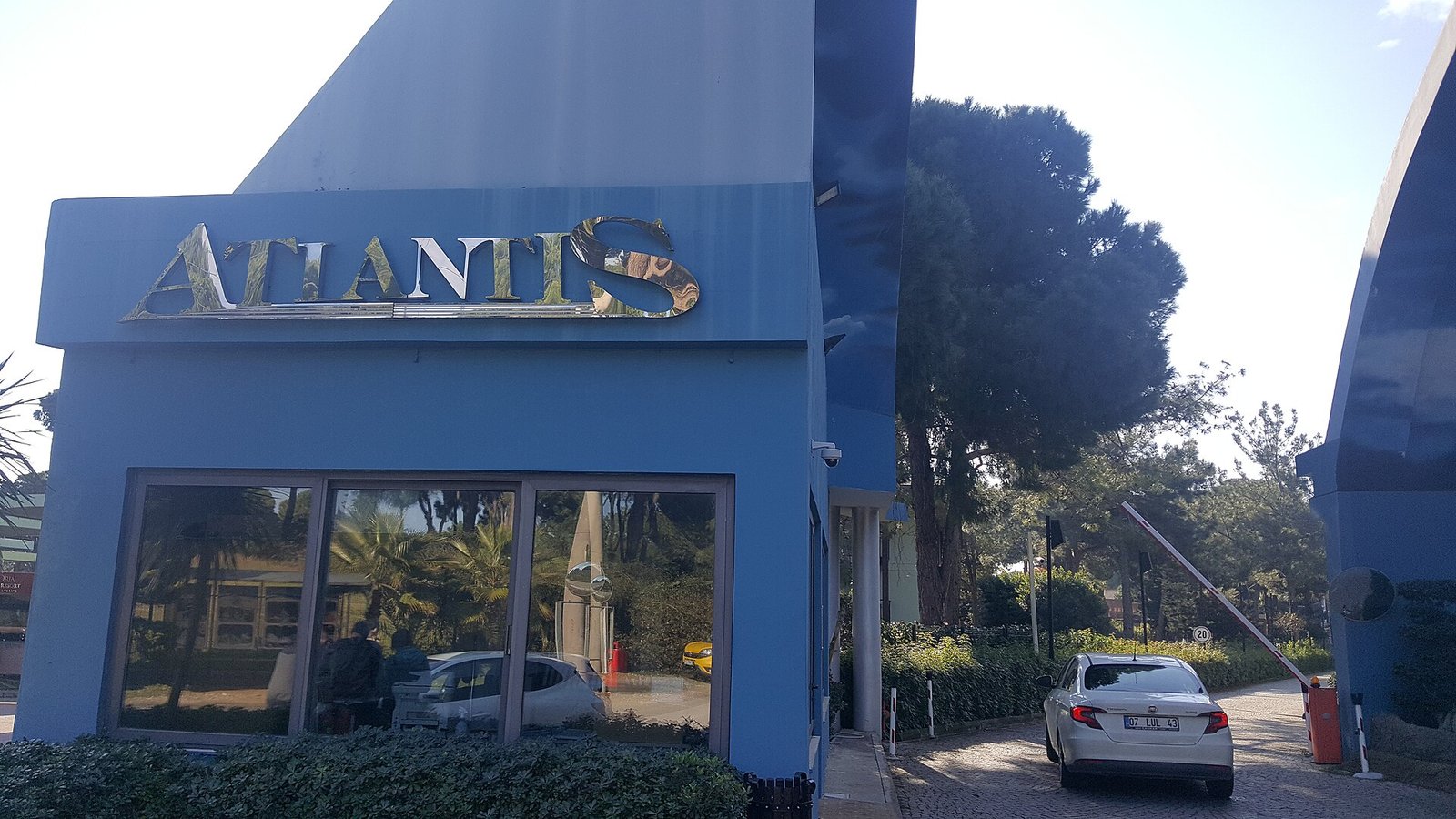
Hotel photography pricing in Turkey depends on how many spaces you need, how long the team stays on site, what you will use the images for and how the final files are delivered. There is no single market rate, and quotes that look similar on paper can include very different amounts of work. This guide explains what drives the price, how photographers usually structure a quote and how to compare offers without getting surprised later.
It is written for hotel owners, general managers and marketing teams in Istanbul, Bodrum, Antalya, Cappadocia, Izmir and along the Aegean coast, but the logic applies to boutique hotels, resorts, villas and restaurants alike.
What Affects Hotel Photography Pricing
Photographers price their time, their equipment and the rights to use the images. These are the variables that move a quote most.
- Scope: a 12-room boutique hotel and a 400-room resort are different projects. Count rooms, room types, restaurants, pools, spa, beach, event spaces and exteriors.
- Shooting days: a hotel usually needs at least one day for interiors and exteriors, and often a second for sunset, twilight, food and lifestyle scenes.
- Number of finished images: a set of 25 hero images costs less than a library of 150 across all room categories and seasons.
- Lifestyle content: guests, models, staff, food styling and props add casting, styling and preparation time.
- Usage rights: web and social use is different from print advertising, outdoor billboards or sales to tour operators.
- Travel and accommodation: a shoot in Cappadocia or the Bodrum peninsula may include transport and lodging for the crew.
- Retouching: removing cables, fixing blinds, blending exposures and cleaning pools takes real time.
- Extra media: drone stills, video, 360 tours and vertical clips for social media all change the budget.
How Photographers Structure a Quote
Most quotes in Turkey follow one of three structures. Knowing which one you are looking at makes comparison much easier.
Day rate
You pay for a half day or full day of shooting, with a defined number of edited images delivered. This is simple and works well when the property is compact and the brief is clear.
Per-image pricing
The price is calculated per finished image. This suits smaller shoots, such as a few new rooms after a renovation or a new restaurant menu.
Project package
One fee covers planning, shooting, editing and licensing for a defined deliverable list. This is common for hotels that want a complete content library, including photo and video, for a season.
Ask which model the photographer uses and what happens if the scope changes. A fixed package with a written list of deliverables protects both sides.
Typical Costs Beyond the Shooting Fee
The photographer’s fee is not always the whole budget. Plan for these items so the total does not surprise you:
- Styling and props: fresh flowers, linens, tableware, towels and small decor pieces. Often the hotel already has these, but a stylist can still save hours on set.
- Models and talent: if you want people in the images, agree on who they are, how long they work and how the images may be used.
- Food and beverage: prepared dishes for the restaurant shoot, which the kitchen needs to time carefully.
- Location needs: closing a pool area, emptying a beach strip or blocking a terrace for a few hours can cost occupancy.
- Weather buffer: a spare day in case the first sunset is cloudy.
Prices are generally quoted in TRY, and some photographers working with international hotel groups quote in EUR. With currency movements in Turkey, ask how long the quote is valid and whether the exchange rate is fixed at signing.
When to Book: Season and Timing
Timing affects both quality and cost. The best moment to photograph a hotel is when the property is fully ready and fully staffed, but not full of guests. For resorts in Antalya and Bodrum, that usually means late spring or early autumn, before the peak season rush or after it eases. Cappadocia cave hotels photograph well in spring and autumn, when light is clear and the weather is moderate. Istanbul city hotels can shoot nearly year-round, although rooftops and terraces look best from late spring to early autumn.
Booking early matters for another reason. Good photographers are busy in the weeks before the high season, because every property wants new images at the same time. A shoot scheduled six to eight weeks ahead gives you time to prepare, repaint, fix details and approve a shot list.
How to Prepare Your Hotel So You Pay for Results, Not Waiting
Preparation is the cheapest way to improve hotel photography. A few habits reduce the on-site time and the retouching bill:
- Share a floor plan and a list of the rooms and spaces that matter most.
- Choose one hero room per category rather than shooting every room.
- Replace worn linens, damaged furniture and burnt bulbs before the shoot day.
- Assign one staff member to the photographer to open doors, move furniture and make decisions.
- Keep guests out of frame in public areas by scheduling shots early in the morning.
- Give the photographer a brief that explains the guest you want to attract.
A brief does not need to be long. A page that explains your brand, your guest profile and your top three selling points is usually enough.
Usage Rights and Deliverables
Many disputes begin here. Before signing, confirm in writing:
- Which uses are included: website, booking platforms, social media, print brochures, advertising, tour operator material.
- For how long you may use the images and whether the license covers other countries.
- Whether you receive full-resolution files, web-optimised versions or both.
- Whether the photographer may use the images in a portfolio.
- Who owns the unedited files.
In Turkey, photographers hold the copyright in their photographs by default, and the client receives a usage license unless the contract transfers rights. A clear contract avoids a lot of friction later.
How to Compare Hotel Photography Quotes
Put the quotes in a simple table with these columns: number of shooting days, number of edited images, lifestyle content, drone or video included, usage rights, delivery time, and payment terms. The cheapest line is rarely the cheapest outcome. A low price with 15 images and no licensing for advertising may cost more once you buy extras.
Look at the portfolio for work that matches your property type. A photographer who shoots beautiful restaurants may not have experience with large resort architecture, and a landscape photographer may struggle with small interiors. Ask to see full galleries, not only the best five images.
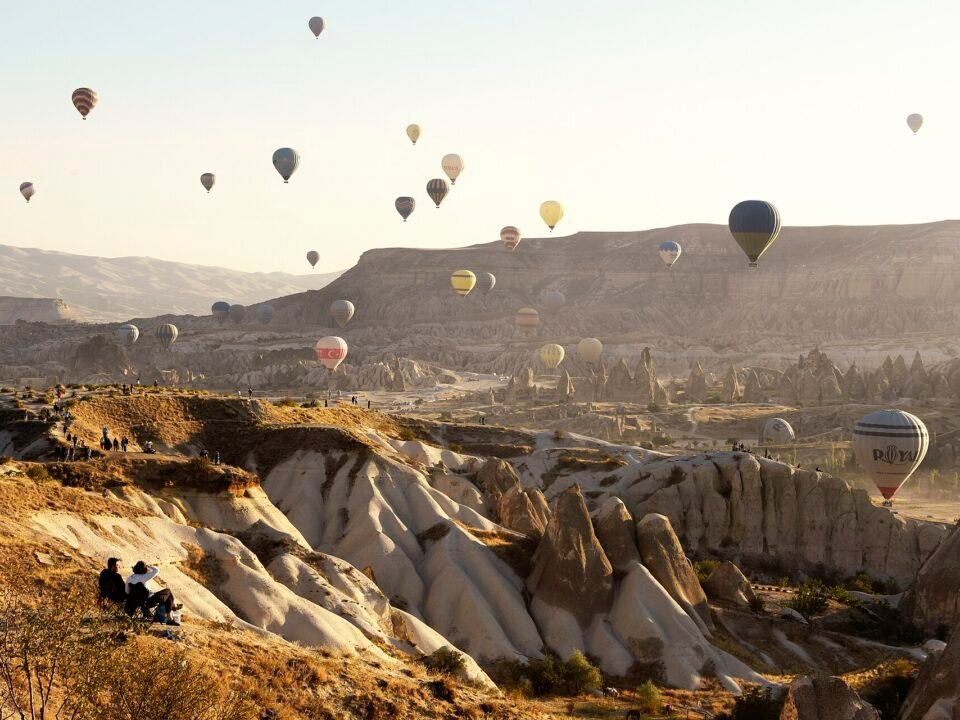
For a worked example of location planning, see our guide to Cappadocia photography. Weather buffers, early starts and travel days shape a hotel shoot in the same way.
Red Flags in a Quote
- No written list of deliverables.
- No mention of usage rights.
- No clear delivery date or revision policy.
- A price that is far below every other offer without an explanation.
- No contract or invoice, which creates problems for your accounting and for any later dispute.
FAQ
How many images does a hotel usually need?
A small boutique hotel can work well with 20 to 40 strong images. Larger resorts often need a library of 100 or more across rooms, dining, spa, pool and lifestyle scenes.
Is one shooting day enough?
For a small property, sometimes. Most hotels benefit from two sessions, one for interiors and one for sunset or twilight and lifestyle.
Should the price include editing?
Yes. A quote should state how many images are retouched and delivered, and how many revision rounds are included.
Can I use hotel photos on booking platforms?
Only if your license says so. Ask for web, social media and booking platform use to be listed in the contract.
Planning a Hotel Shoot?
If you want a clear, itemised quote for your property in Istanbul, the Aegean, the Mediterranean coast or Cappadocia, contact Les Lucens and tell us about your hotel. We will help you decide what you really need.
[…] is not the only lever. If you also need stills from the same shoot, our guide to hotel photography pricing in Turkey explains how photographers structure quotes and usage rights, and the same questions apply to […]
[…] that cannot be explained simply. For help with the production side of a proposal, see our guides to hotel photography pricing in Turkey and corporate video production cost in […]